How Photography Licensing Works
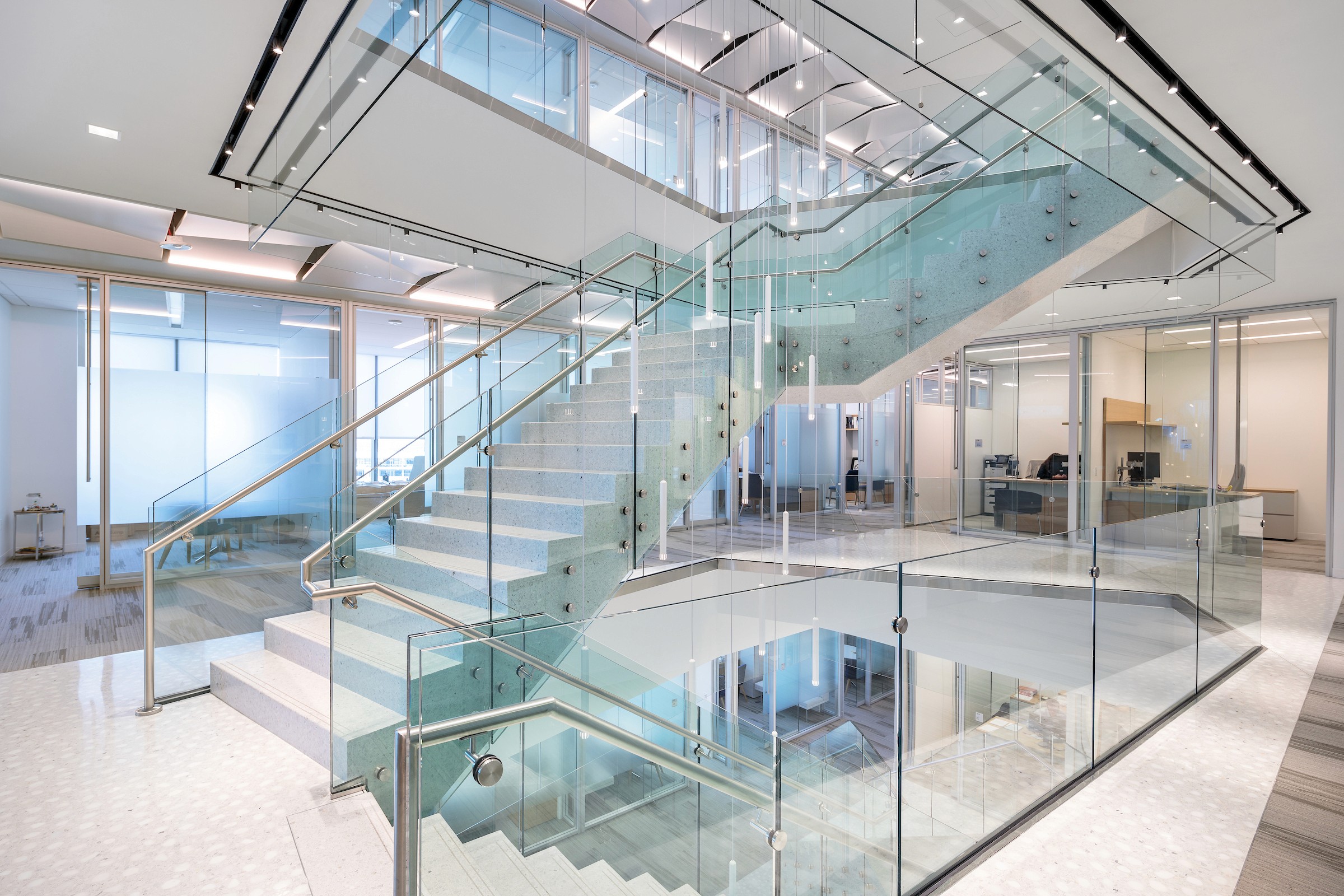
The concept that surprises most architects the first time: receiving a set of image files is not the same as owning the right to use them. Copyright in photography works the same way it does in architecture — the creator owns it the moment the work is made, and any use beyond the original agreement requires a license.
This matters practically in ways that catch clients off guard. Your contractor asks for images for their capability brochure. A magazine wants to run a feature on the project. The product manufacturer whose tile appears in the lobby wants a detail shot for their catalog. Every one of those requests requires a separate license agreement with the photographer. Physical possession of the files — even files delivered to you as part of a commissioned assignment — does not transfer the right to use them for purposes not covered in the original agreement.
Here's what you need to understand before the images arrive.
What a license actually covers
A photography license answers three questions: Who will use the images? How and where will they appear? For how long?
A license is written to cover specific uses — portfolio, editorial submission, award competition, advertising, website, printed collateral. The same image used across different contexts requires coverage for each. The more extensive the use, the higher the license fee, because the value the images generate for the client increases with reach and duration.
This isn't arbitrary. A photograph used in a national advertising campaign generates far more commercial value for the advertiser than the same image used in an office portfolio. Licensing reflects that difference. It's the same logic that governs how architects structure their own fees for different scopes of service.
The three components of a photography estimate
Every professional photography estimate breaks into three parts.
Creative/production fee. The photographer's time and skill from pre-production through final file delivery — site visits, the shoot itself, editing, retouching, and preparing master files. This fee doesn't change if your usage plans expand later. It reflects the work of making the photographs, not the work's subsequent value to you.
License fee. The value of the rights being granted for the uses you've specified. Portfolio and award submission rights carry different values than advertising rights or publication rights. When you're licensing images for your website, award submissions, and print collateral simultaneously, you're requesting a broader set of rights, and the license fee reflects that. A narrow, well-defined use costs less.
Expenses. Travel, assistants, equipment for specialized shots, aerial licensing, location access fees. These are pass-through costs specific to the assignment.
Understanding this structure matters when your marketing plans evolve. If you commission photography for your portfolio and award submissions, and a publication later wants to run the project, that constitutes a new license — typically paid by the publisher. The original production work doesn't need to be redone; the files simply need new rights attached.
When multiple parties want the same images
On larger projects, it's common for several stakeholders to want photography from the same shoot — the architect, the developer, the interior designer, the contractor, the product suppliers. Each can participate in the assignment and share production and expense costs, but each needs a separate license agreement reflecting how they intend to use the images.
This coordination belongs in the pre-shoot conversation, not after the images are delivered. A photographer can structure the assignment to accommodate multiple clients simultaneously, which keeps production efficient and cost-sharing clear. A party who declines to participate and later needs images will pay separately, often at a higher rate, because the cost-sharing window has closed and the negotiating context has changed.
Sharing images with third parties
A question that comes up regularly: can you forward images to a consultant, a manufacturer, or a magazine editor?
For review purposes, yes. For publication or commercial use of any kind, no — not without a license from the photographer. Any party wanting to use images in a substantive way needs to contact the photographer directly to discuss rights. If an architect forwards files to a publication without having secured editorial rights, responsibility for licensing may revert to whoever provided the images. That's a difficult position to be in once a story is already in production.
The cleanest approach: when sharing images with a third party who might want to use them, let them know they'll need to talk to the photographer directly about licensing. It's a brief conversation that prevents a complicated one later.
Building photography licensing into your practice
For firms managing multiple projects, photography licensing is worth treating as a standard part of project closeout — not a question to sort out when a submission opportunity surfaces two years later. Document what rights you hold for each project's images, what uses are covered, and where the photography files live.
When an award deadline or publication inquiry appears, you'll know immediately whether you're covered or whether a call to the photographer is needed. The firms that handle this well are the ones that treated it as a business process from the beginning.
Questions about licensing for a current or upcoming project? Get in touch.
About the author
Sean Gallagher has photographed architectural projects for AIA submissions, editorial publications, and development marketing across Texas for over 20 years.
Work with us
We work with architecture firms, interior designers, and developers across Dallas–Fort Worth and Texas. Contact us to discuss your project.
Get in touch →