Virtual Staging for Empty Spaces
Jun 2, 2025
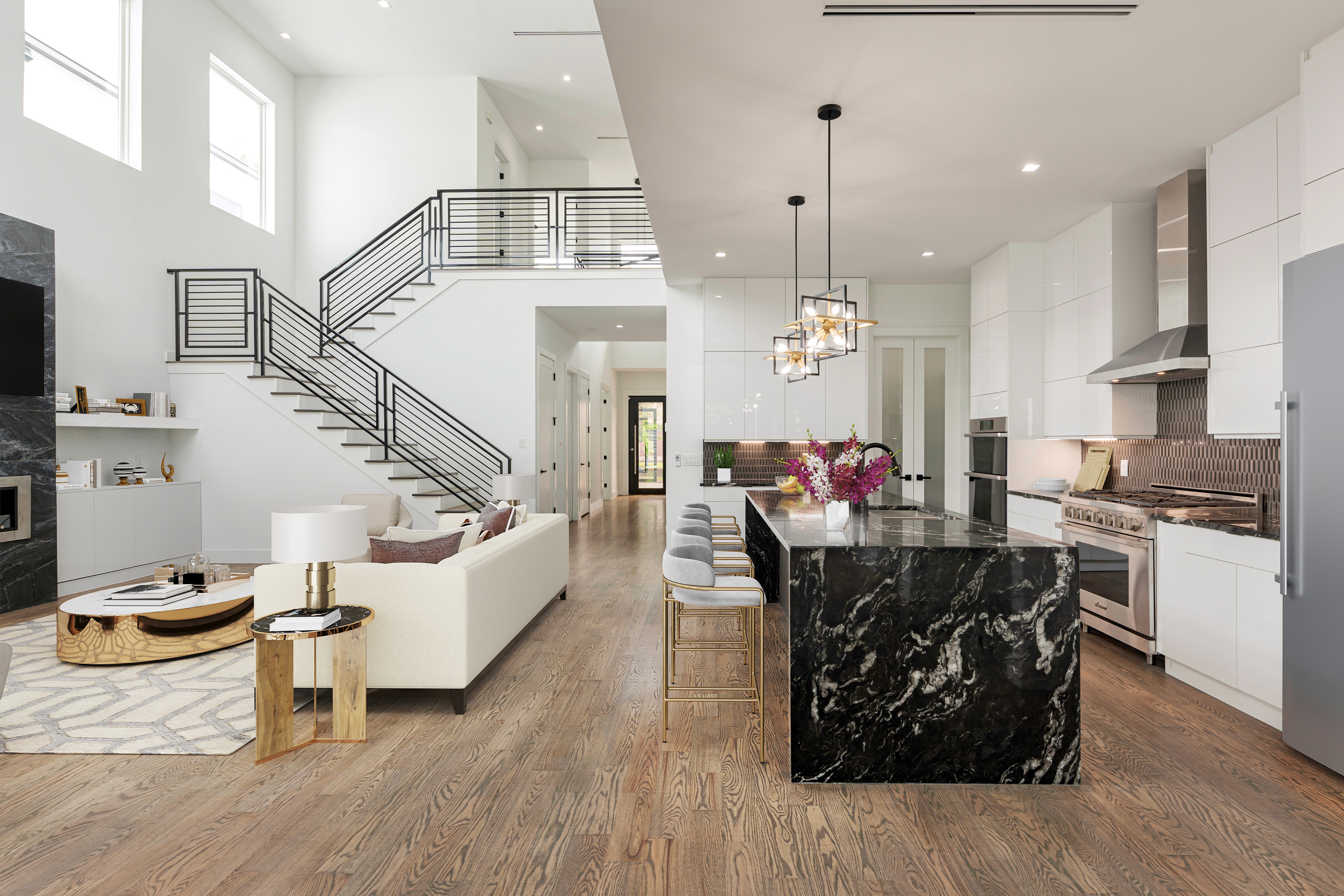
The Power of Virtual Staging
In today’s competitive real estate market, first impressions matter more than ever. As homebuyers increasingly begin their search online, the visual appeal of a property’s photos can make or break interest. That’s where virtual staging comes in—a cutting-edge tool that transforms empty or outdated spaces into beautifully styled environments, all without moving a single piece of furniture.
What Is Virtual Staging?
Virtual staging is the process of digitally furnishing and decorating a property’s interior using advanced photo editing software. Instead of physically staging a home with rented furniture and accessories, virtual staging adds realistic digital furnishings to high-resolution photographs of empty rooms.
This technique allows real estate professionals to showcase a home’s full potential without the time, labor, and cost of traditional staging.
Why Virtual Staging Works
1. Helps Buyers Visualize the Space
Empty rooms can feel cold and uninviting. Virtual staging allows potential buyers to see how furniture might fit, understand room dimensions, and emotionally connect with the space. It turns a blank canvas into a story.
2. Cost-Effective Alternative to Traditional Staging
Traditional staging can cost thousands of dollars and requires moving furniture in and out of the property. Virtual staging, on the other hand, is typically a fraction of the price and can be completed in just a few days.
3. Fast Turnaround Time
With tight listing timelines, speed matters. Virtual staging allows you to get beautifully styled images online quickly, helping to generate interest and shorten time on market.
4. Flexible Design Options
Virtual staging isn’t limited by physical inventory. Want to appeal to a modern aesthetic or highlight a home’s traditional charm? You can tailor the design style to suit the listing’s ideal buyer profile.
5. Boosts Online Engagement
Listings with staged photos—virtual or physical—tend to receive more views, shares, and saves on real estate platforms. That visibility often translates to more showings and faster offers.
Common Use Cases
New Construction – Show buyers how an empty build-out can become a cozy home.
Vacant Properties – Bring life to spaces that might otherwise feel forgotten.
Occupied but Outdated Homes – Offer a vision of modern possibilities without altering the existing interior.
Multi-Unit Developments – Create consistent, high-end visuals across different units and floor plans.
Best Practices
Be Transparent – Virtual staging should never be misleading. Disclose that images are virtually staged and avoid altering permanent features like wall color or flooring unless clearly noted.
Use High-Quality Photography – The better the base image, the more realistic the final result. Work with professional photographers who understand lighting and composition.
Focus on Key Rooms – Living rooms, primary bedrooms, and kitchens offer the most visual impact. Prioritize these when staging virtually.
Final Thoughts
Virtual staging is more than a visual trick—it’s a strategic marketing tool that gives listings a competitive edge. By helping buyers imagine what could be, it builds emotional connections and drives faster sales.
Whether you’re an agent marketing a single-family home or a developer showcasing a large-scale multifamily project, virtual staging can elevate your real estate imagery and tell a compelling story—one digitally designed room at a time.
Interested in bringing your projects to life with virtual staging?
Let’s talk. Our team specializes in high-end real estate visuals—from luxury photography to immersive digital staging. Get in touch today to see how we can transform your marketing materials.