AIA Award Submission Photography
For architecture firms across Texas
Every year, firms submit their best work to AIA juries — and every year, some submissions fall short not because the architecture isn’t excellent, but because the photography doesn’t do it justice. A jury evaluating dozens of projects in a single session is making fast, visual decisions. The photographs are the architecture, as far as the jury is concerned.
What AIA juries are actually looking for
AIA award juries evaluate projects on design intent, resolution of detail, and the relationship between the building and its context. Your photography needs to communicate all three — clearly, and in the first few images. Juries don’t spend ten minutes on a single submission. They spend two. That means every photograph has to earn its place in the sequence.
The most common failure mode is over-relying on wide-angle establishing shots and under-investing in the detail and material photographs that demonstrate design resolution. Juries want to see the thing that makes your building distinctive — and that thing is almost never visible in the hero shot alone.
Timing and light — the most important variable
Architectural photography is fundamentally a scheduling problem. The quality of your submission images depends more on when we shoot than almost any other factor. For most buildings, there is a window of one to three days per year when the light, the season, and the landscape are all aligned. For some east-facing facades, that window is measured in minutes.
Planning timeline
Start the photography conversation six to eight weeks before your AIA submission deadline — earlier if the building has a narrow light window or requires complex site coordination. We review orientation, study sun path software, and plan the full shot list before arriving on site.
How many images do you need?
AIA submission requirements vary by category, but most ask for six to twelve images. We recommend planning for a full shoot that produces fifteen to twenty selects, giving your team room to curate the strongest sequence rather than using everything out of necessity. A tight edit of eight excellent photographs is more competitive than twelve adequate ones.
A strong submission sequence
1–2 establishing exteriors — the building in context
2–3 exterior details — material and structural resolution
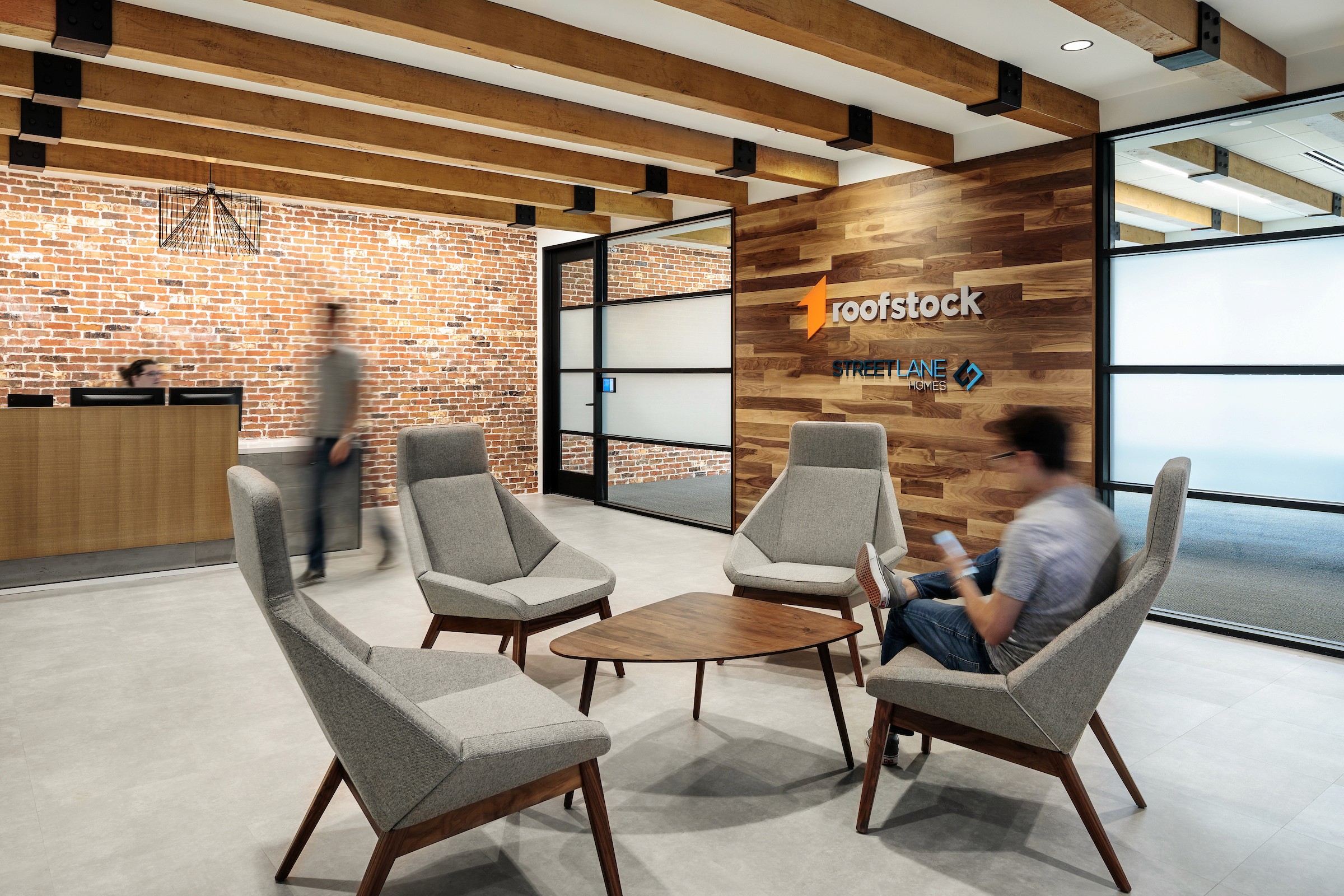
2–3 interiors — spatial quality and light
1 signature image — the thing no other project on the list has
Preparing the building for photography
We always conduct a pre-shoot walkthrough — usually two to three weeks before the scheduled shoot date. At that walkthrough, we identify any site conditions that need to be addressed: construction debris, temporary signage, landscaping that hasn’t matured, vehicles parked in frame. These are all manageable if you know about them in advance. They are much harder to manage on the day.
Interior spaces need to be fully staged, furnished, and free of construction-related materials. For occupied spaces, early morning shoots — before staff arrive — typically produce the cleanest results.
Image specifications for AIA submissions
AIA submission portals typically require JPEG files at a minimum of 300 DPI, sized to specific pixel dimensions (often 3000 × 2000 pixels or larger). Files must be correctly oriented and may need to be submitted in specific aspect ratios depending on the submission platform. We deliver all AIA submission files labeled and formatted to specification — ready to upload without any additional processing on your end.
Start earlier than you think you need to
The single most common mistake architecture firms make with AIA submissions is starting the photography process too late. By the time the submission deadline is visible on the calendar, there may not be enough lead time to wait for the right light conditions, complete a pre-shoot walkthrough, execute the shoot, and deliver final retouched files. We recommend beginning the conversation eight to twelve weeks before your intended submission date.
Planning an AIA submission this cycle?
Tell us about your project, submission category, and deadline. We’ll confirm availability and walk through the pre-shoot planning process with you.
About the author
Sean Gallagher has photographed architectural projects for AIA submissions, editorial publications, and development marketing across Texas for over 20 years.
Work with us
We work with architecture firms, interior designers, and developers across Dallas–Fort Worth and Texas. Contact us to discuss your project.
Get in touch →