Apartment Community Photo Shoot Prep
A DFW property manager's checklist for getting exteriors, amenities, model units, and lighting camera-ready before the photographer arrives.
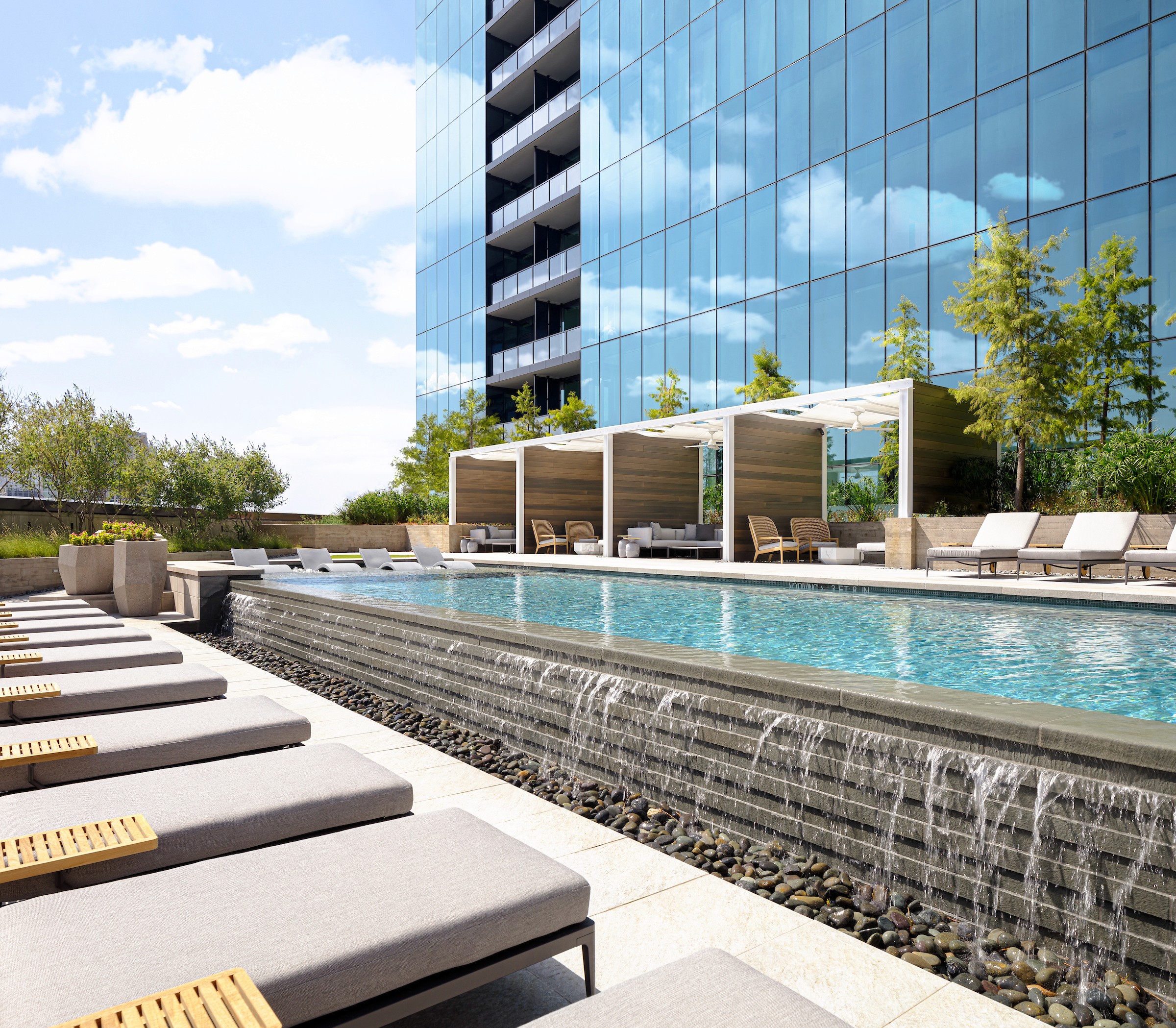
The photography that represents your apartment community does real financial work. It drives traffic to your listing pages, shapes the first impression a prospective resident forms before they ever set foot on site, and ultimately affects how quickly you lease up and at what rate. Getting that photography right starts well before the photographer arrives — and the communities that invest in proper preparation consistently walk away with images that outperform those that don't.
After nearly three decades photographing multifamily properties across Dallas–Fort Worth, from garden-style communities in the suburbs to high-rise towers in Uptown and Midtown, we've seen every possible preparation scenario. What follows is the preparation checklist we share with every property manager and marketing team before we schedule a shoot.
Start With the Schedule — Well in Advance
The single most damaging thing for a multifamily shoot is an avoidable scheduling conflict. Book your photographer at least three to four weeks out, and immediately flag your shoot date with everyone who has a presence on the property: maintenance, groundskeeping, any active contractors, and your on-site leasing team.
If there is active construction anywhere on the property — a building under renovation, a new amenity under construction, exterior repair work — that needs to be known before the shoot is scheduled, not discovered the morning of. Construction equipment, scaffolding, dumpsters, and material staging can be impossible to remove on short notice, and they will appear in your images. If construction cannot be paused or cleared for the shoot day, adjust your scope: shoot what's ready and plan a return visit for what isn't.
Coordinate with residents before the shoot day. Parking areas that serve as your primary exterior shot angles need to be clear of personal vehicles. Send written notice to residents in buildings adjacent to your shoot locations at least a week out.
Exterior and Curb Appeal
Your exterior shots set the tone for everything that follows. A property that looks sharp from the street communicates to prospective residents that it's well-managed inside as well. Walk every exterior angle that will be photographed — ideally with your photographer's shot list in hand — at least two days before the shoot to identify anything that needs attention.
Landscaping. Lawns mowed and edged. Beds weeded and freshly mulched. Shrubs trimmed to their intended shape. Dead plants removed and replaced if possible — a single dead shrub or brown patch of grass draws the eye in a photograph in a way it doesn't when you walk past it every day. Seasonal color in planters and beds makes a significant difference.
Hardscape. Parking lots and driveways swept and free of debris, tire marks, oil stains, or standing water. Walkways clear. Pool deck furniture arranged cleanly, not scattered from weekend use. Any faded or peeling paint on fences, railings, or trim touched up.
Signage. Community signage cleaned and in good condition. Leasing office hours current. Any temporary signs or banners not meant to appear in marketing photography removed.
Dumpsters and utility areas. Dumpsters closed and, where possible, screened from primary angles. Utility meters, mechanical equipment, and service areas clean and free of accumulated debris.
Vehicles. Model unit parking spaces and any spaces adjacent to primary exterior shot locations should be clear on shoot day. Arrange this with residents and staff in advance — last-minute asks rarely go smoothly.
Amenity Spaces
Your amenity package is often what differentiates your community from the one down the street — which means the pool, fitness center, clubhouse, dog park, and co-working lounge need to be camera-ready, not just clean enough for daily use.
Pool area. Water balanced and clear — blue-green water photographs poorly. Deck furniture arranged symmetrically or with intentional styling. Towels and personal items removed. Umbrellas opened if the light allows.
Fitness center. Equipment wiped down and arranged in its intended configuration. Towels, water bottles, and personal items removed. Mirrors cleaned — they will reflect everything including the photographer, so clean glass makes lighting control easier. All fixtures on full brightness.
Clubhouse and leasing office. Decluttered. Surfaces clear of paperwork, personal items, and operational materials not meant to appear in imagery. Staging should feel like a lifestyle, not an office. Fresh flowers or greenery add warmth without distraction.
Outdoor social areas. Grills cleaned. Seating arranged. Fire features on if safe and appropriate.
Model Units
Model units are usually the most time-intensive part of a multifamily shoot, and the most impactful. A well-staged model unit can carry an entire leasing campaign. A poorly prepared one is expensive to shoot and difficult to use.
Staging complete before shoot day. If furniture rental or styling is involved, it needs to be installed and complete — not still being arranged when the photographer arrives. Finalize staging the day before the shoot.
Every surface clean. Countertops, appliances, mirrors, windows, and floors. Fingerprints on stainless appliances and smudges on windows show up clearly in photography. Clean everything the morning of the shoot.
Windows clean inside and out. Natural light through windows is one of the most valuable elements in interior photography. Dirty glass diffuses and discolors that light. Exterior surfaces matter as much as interior ones.
All packaging removed. Price tags off. Stickers off appliances. Protective plastic or cardboard from any furniture or fixtures removed completely.
Lifestyle accessories thoughtfully placed. Books, trays, candles, and small objects that make a space feel lived-in rather than vacant — but edited carefully. Less is almost always more.
Lighting — Check Every Single Bulb
This one is simple and almost always overlooked: walk every space that will be photographed and turn on every light. Check every bulb. Replace every burned-out one before shoot day.
This includes overhead fixtures, undercabinet lighting, pendant lights, bathroom vanity strips, closet lights, and exterior light fixtures on building faces and at entryways. A single burned-out bulb in a vanity strip is immediately visible in a photograph. A dead fixture in a fitness center ceiling or clubhouse creates a dark spot the camera will see clearly even if you don't notice it on a routine walkthrough.
Bring bulb type and color temperature to a consistent standard throughout each space wherever possible. Mixed color temperatures — some warm, some cool — make lighting balance more difficult and give spaces an unresolved quality in the final images.
The Morning of the Shoot
On shoot day, have a staff member walk the entire shoot scope one final time before the photographer arrives. Look for anything that moved overnight: pool furniture blown by wind, a maintenance cart left in a hallway, a resident's bicycle locked to a railing in a primary shot angle. These are five-minute fixes that are far easier to handle before the shoot is underway than during it.
Have a dedicated point of contact on property for the entire shoot — someone with authority to make decisions, access to all spaces, and the ability to move staff or equipment out of shot areas quickly. A shoot with a clear, responsive point of contact moves efficiently. One without loses an hour to compounding small delays.
The Return on Preparation
A professional multifamily shoot for a Dallas–Fort Worth apartment community typically runs four to eight hours depending on scope. The images produced in those hours will represent your property for the next two to four years across every digital and print touchpoint your marketing team uses. The preparation investment — a few hours of staff time, a landscaping pass, a cleaning crew, fresh bulbs — pays for itself many times over in the quality of what gets captured.
If you're planning an upcoming shoot and want to talk through a preparation plan specific to your property, we're happy to do a pre-shoot walkthrough. It's part of how we make sure the day runs well and the images perform.
About the author
Sean Gallagher has photographed architectural projects for AIA submissions, editorial publications, and development marketing across Texas for over 20 years.
Work with us
We work with architecture firms, interior designers, and developers across Dallas–Fort Worth and Texas. Contact us to discuss your project.
Get in touch →