Preparing for an Architectural Photo Shoot
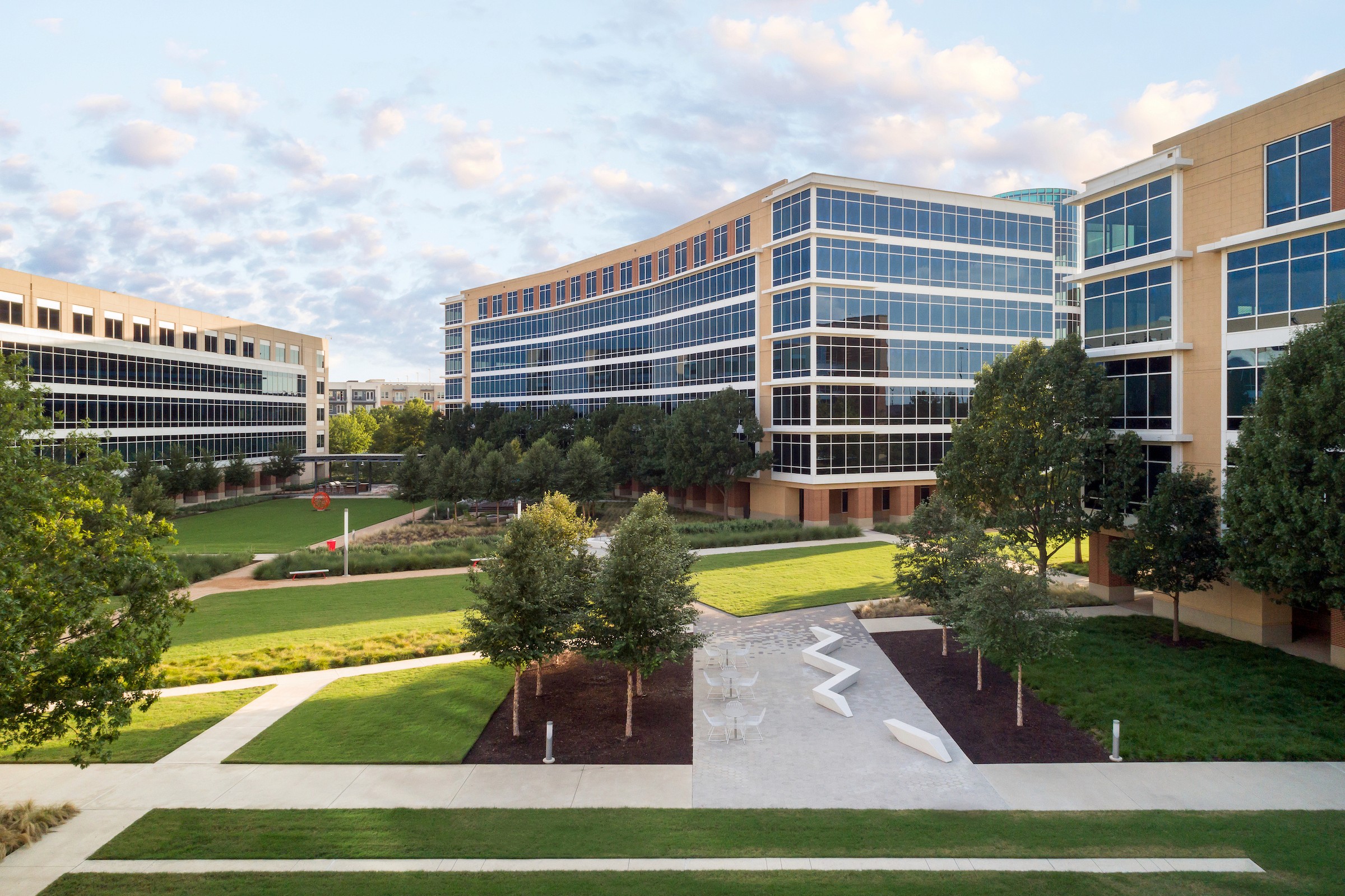
The difference between a productive architectural photo shoot and a difficult one is almost always preparation. Most of the problems that cost time and compromise results on the day — a vehicle parked in the primary view, a punch-list item still visible on a lobby wall, a lighting system that requires building engineering to adjust — could have been addressed in the weeks before the shoot if anyone had looked.
Here's how a professional architectural photography assignment comes together, and where your attention makes the most difference.
Start with enough lead time
For most buildings, there's a window of optimal conditions that doesn't stay open indefinitely. Exterior light quality depends on season, orientation, and time of day. Newly installed landscaping may not have recovered. Occupied spaces have tenant schedules and access restrictions that require coordination. Rushing photography to meet an arbitrary deadline often means settling for conditions you'll live with in every image for years.
A reasonable planning lead time is four to six weeks for most assignments — more for buildings with complex scheduling requirements or narrow light windows, or projects that include aerial work requiring airspace authorization. The pre-production process takes real time regardless of how urgent the delivery timeline feels. Beginning it early enough to actually use it is one of the most valuable things a client can contribute to a strong result.
The pre-shoot site walk
Before the shoot date, we schedule a site walk — typically two to three weeks out. The purpose is to identify conditions that will affect the photography and that are easier to address in advance than on the day.
On the exterior, we're looking at: construction equipment or temporary signage still on site, landscaping that's incomplete or hasn't recovered from installation, parking patterns that introduce frame intrusions in primary views, and any maintenance activity scheduled around our shoot dates.
On the interior, we're looking at: deficiencies in finishes or fixtures that will either require retouching or exclusion from the shot list, lighting access and control options, the status of furniture and decorative elements, and anything that will read as provisional or incomplete in photography.
The site walk is a planning conversation, not an inspection. We're building a shared understanding of what we have to work with and what's worth addressing before cameras arrive.
Preparing the building
Photography amplifies everything present in a space, including things that have become invisible after months of construction. A walk-through with fresh eyes the week before the shoot is worth the time.
Exterior: Windows and glass clean. Site debris cleared. Temporary staking, erosion barriers, and construction materials removed from visible areas. Any punch-list items that will appear in primary views either resolved or flagged so we can plan around them.
Interior: Surfaces cleaned. Furniture placed as it will be photographed — not stored against walls or positioned for move-in convenience. Fixtures and finishes in their final intended condition. Technology displays powered and showing appropriate content. HVAC operational so doors don't need to be propped. All construction materials, contractor tools, and incidental items cleared from spaces.
Occupied buildings: Coordinate with facilities and tenants so the shoot schedule is known and expectations are set. Early morning shoots before staff arrival typically produce the cleanest results for workplace and commercial interiors. Identify who will be on-site with authority to access spaces, make decisions, and handle anything that comes up.
Lighting access and coordination
Interior architectural photography almost always involves working with the building's existing lighting systems, and sometimes adjusting or supplementing them. Before the shoot, we need to know whether the lighting system is computer-controlled and who has access; whether individual zones can be controlled manually or run on sensors and timers; whether all lamps are operational and consistent; and whether building engineering or an electrician will be available if we need adjustments.
For buildings with complex lighting environments — large commercial interiors, mixed-source atrium spaces, hospitality venues that layer ambient, task, and accent lighting — this coordination is often the difference between photography that reads correctly and photography that fights with itself. It belongs in the pre-production process, not in a phone call on the morning of the shoot.
Planning exterior and aerial work
For exterior photography, the primary variable is light direction and quality. We plan shoot times based on building orientation and the sun's path — using sun-path software rather than guesswork — to identify the specific windows when each facade will be at its best. For most buildings, this produces a schedule built around optimal conditions for each view rather than around what's convenient on a given day.
Aerial photography adds logistics. FAA authorization for controlled airspace takes three to five business days and can't be rushed. Weather windows for aerial work are less predictable than for ground-level photography. Relevant security personnel, building management, and tenants who might be affected by drone operations need to be notified in advance. If aerial is part of the assignment, it belongs in the planning conversation at the start, not added as an afterthought.
When conditions aren't ready
Sometimes we arrive and find conditions that weren't visible at the site walk — unexpected work activity, a tenant installation that ran long, weather that changes the available light. Our preference is to address it: adjust the shot sequence, reschedule a session, return for specific views when conditions are right.
Architecture photography is worth doing well, and an image of unfinished conditions serves no one. The shoots that produce the best results are the ones where client and photographer both understand that getting the photography right is the goal — and that occasionally, getting it right requires the flexibility to respond to what's actually there.
Ready to start planning? Tell us about your project.
About the author
Sean Gallagher has photographed architectural projects for AIA submissions, editorial publications, and development marketing across Texas for over 20 years.
Work with us
We work with architecture firms, interior designers, and developers across Dallas–Fort Worth and Texas. Contact us to discuss your project.
Get in touch →