Hotel & Hospitality Photography Costs in 2026
What DFW properties pay, the pitfalls that catch first-time buyers, and how to prepare a property that never stops running.
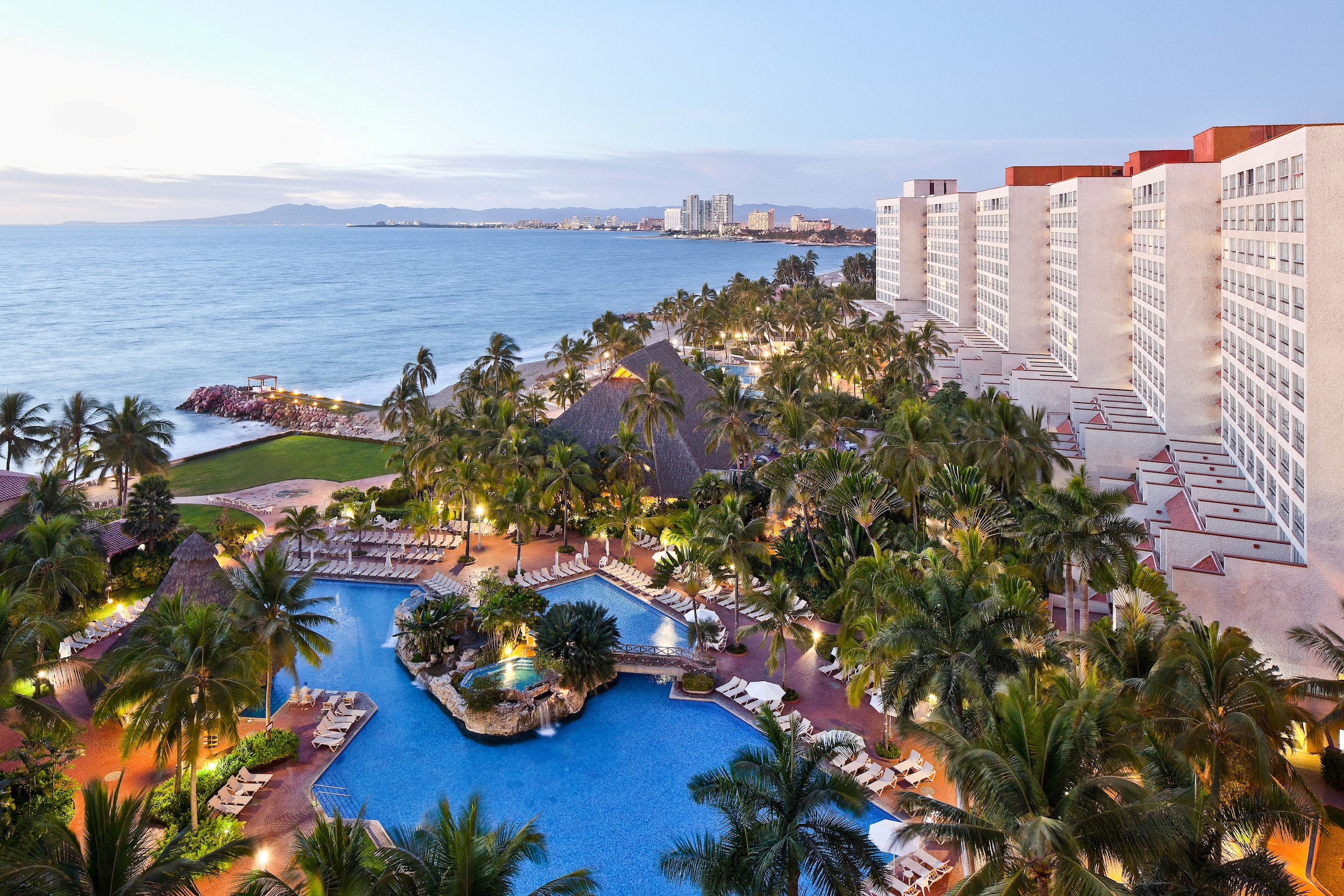
Hotel and hospitality photography in Dallas Fort Worth runs roughly $1,200 to $2,200 for a boutique or limited-service property on a half day, and $2,500 to $7,500 for a full-service hotel or resort covering rooms, amenities, food and beverage, and a twilight exterior. Where a property lands in that range depends on room count, how many spaces need coverage, and whether food styling and video are part of the shoot.
After nearly 30 years photographing commercial and hospitality work across the metroplex, the number that matters most isn't the quote total, it's what the shoot day actually looks like for your guests and your staff. This guide covers what hotel and hospitality photography costs in 2026, the pitfalls that trip up first-time buyers, how to choose the right photographer, what video adds to the package, and how to prepare a property so the shoot has minimal impact on a hotel that never stops running.
Pricing at a Glance
Coverage | Typical DFW Range | What's Usually Included |
|---|---|---|
Boutique / limited-service (half day) | $1,200 to $2,200 | Guest rooms, lobby, exterior, edited gallery |
Full-service hotel (full day) | $2,500 to $5,000 | Rooms, amenities, lobby, F&B, twilight exterior |
Resort / large property (extended day) | $4,000 to $7,500 | Multiple buildings, grounds, amenities, F&B, twilight |
Twilight / dusk exterior add-on | $400 to $900 | Separate setup, hero exterior image |
Food & beverage add-on | $600 to $1,500 | Styled dishes, bar program, F&B specialist |
Video add-on (60 to 90 second reel) | $1,200 to $2,800 | Walkthrough footage, edited for web and social |
Per-room rate (large room-count properties) | $150 to $400 per room | Alternative structure to a day rate |
Per-room pricing shows up most often on large room-count properties where a day rate doesn't map cleanly to scope. A 40-room boutique hotel and a 400-room convention property are different jobs even at the same day rate, so some photographers quote per room instead to keep the math transparent on both sides.
What Moves the Price
Room count and property size. More rooms and more distinct spaces mean more setups. A property with three room types, a restaurant, a pool, and a ballroom takes longer than a limited-service hotel with one room type and a lobby.
Food and beverage. Styling food and drinks well is its own skill, and it slows a shoot down considerably. A dedicated F&B specialist or a photographer with real food styling experience costs more than a generalist, and it should.
Brand standards. Many hotel brands require specific angles, image counts, and technical specifications for their marketing portals. Meeting those standards takes planning time that a boutique or independent property shoot doesn't need.
Licensing scope. A quote for a single property's website and OTA listings is different from a quote that covers a multi-property portfolio, paid advertising, or brand corporate marketing. Broader usage costs more because it's worth more.
Twilight and exterior work. A dusk exterior is often the hero image for a hotel, and it requires its own setup at a specific time of day, usually treated as a separate line item.
Turnaround. Standard delivery for hospitality work runs one to two weeks. Rush delivery for a press push, a new OTA listing, or a brand deadline typically adds 25 to 50 percent.
Pitfalls to Avoid
Shooting during high occupancy. A fully booked property limits room access, adds guest traffic to every hallway and lobby shot, and turns a straightforward shoot into a scheduling puzzle. Low-occupancy weekdays produce better images with less disruption.
Skipping the food styling specialist. Photographing food and drink well is a different skill from photographing architecture and interiors. A generalist can produce technically sharp images that still look flat on the plate. If F&B matters to your marketing, ask specifically about that experience.
Assuming the license covers everything. A quote for property website and social use doesn't automatically cover brand corporate marketing, paid advertising, or a multi-property campaign. Get the usage terms in writing before the shoot, not after a brand marketing team asks to use the images somewhere unexpected.
Underestimating prep time. Unmade beds, cluttered front desks, pool water that hasn't been balanced, and burned-out bulbs in a fixture all show up clearly in photographs. A property that looks fine for daily operations often isn't camera-ready without a dedicated prep pass.
No single point of contact. A shoot that has to track down a different staff member for every space, every door, and every question loses time to compounding small delays. One person with the authority to open doors and make calls keeps the day moving.
Choosing on price alone. The cheapest quote usually means less pre-production, less styling, or a generalist shooting hospitality for the first time. Hospitality photography represents your property for years across every booking channel, and that's not where corners pay off.
How to Select a Hospitality Photographer
Ask to see a hospitality-specific portfolio, not a general real estate or architecture portfolio with a few hotel shots mixed in. Hospitality photography has its own visual language, warm and inviting rather than purely documentary, and a photographer who mainly shoots office buildings or apartments will approach a hotel differently than one who shoots hotels regularly.
If food and beverage matters to your marketing, ask about that experience specifically. Not every commercial photographer styles food well, and it's a fair question to ask before booking rather than after seeing the gallery.
Confirm licensing terms in writing before the shoot: what the images can be used for, for how long, and whether brand corporate or a parent company needs its own license. Confirm insurance too. Most hotel brands and management companies require vendors to carry commercial liability coverage and provide a certificate of insurance, and a photographer who can't produce one quickly is a scheduling problem waiting to happen.
Ask how many images you'll receive and what the turnaround looks like. A working professional typically delivers a substantial edited gallery from a full day of hospitality coverage, not just a handful of hero shots. If a quote doesn't state an image count or a delivery date, ask before booking.
Finally, ask how they handle weather risk for twilight and pool shots. A photographer with a reshoot policy or a flexible reschedule window is protecting your shoot day, not just their own.
Video Add-Ons
Video has become a standard add-on rather than a separate project for most hospitality shoots. A short property walkthrough reel, 60 to 90 seconds, edited for the website and social channels, is the most common request and pairs efficiently with a stills shoot on the same day. Drone footage adds grounds and location context that's especially valuable for resorts and properties where the setting is part of the sell. A longer brand video, built for paid campaigns or a homepage hero, is a bigger production with its own planning process.
Combining stills and video into one shoot day is almost always more efficient than booking them separately. The property only needs to be camera-ready once, and a lot of the same prep and scheduling work covers both. Video turnaround typically runs longer than stills, so if you need the reel for a specific launch date, build that into the timeline early rather than assuming it arrives with the photo gallery.
Smart Scheduling: The Difference Between a Smooth Shoot and a Disruptive One
A hotel doesn't close for a photo shoot, and the scheduling plan matters as much as the photography itself for a property that's operating normally the entire time. The goal is a shoot day that guests barely notice.
Start with the spaces guests use least in the early morning. Pool decks, fitness centers, and meeting rooms are typically quiet before 8am, which makes them the right place to start the day before lobby traffic and breakfast service pick up.
Coordinate room access with housekeeping's actual schedule, not a fixed list handed over the week before. The rooms available to shoot change hour by hour as guests check out and housekeeping clears them, so the most efficient approach is shooting rooms right after they're cleaned and before they're reoccupied, working from whatever the front desk can release that morning rather than a rigid pre-set list.
Schedule food and beverage around actual service windows, not around what's convenient for the shoot. Photograph the restaurant before breakfast service starts or in the gap between lunch and dinner, when the space is set but not full of guests.
Save twilight for the very end of the day, after everything else has wrapped, since it happens at a fixed window regardless of how the rest of the schedule runs.
Keep one staff contact with the shoot for the full day. Someone who can open a door, move a cart, or reroute a guest quickly is the difference between a shoot that stays on schedule and one that loses an hour to small interruptions.
Properties that treat scheduling as seriously as the photography itself get better images and fewer guest complaints. Properties that treat it as an afterthought usually get both.
How to Prepare Your Hotel for a Photo Shoot
Guest rooms. Bedding tight and styled, no personal items or housekeeping carts in frame, curtains and blinds set consistently, lighting checked room by room. If a room is being used as a styled model, finalize the staging the day before, not the morning of.
Lobby and public areas. Decluttered, front desk clear of paperwork and personal items, current signage only, staff aware of the shoot schedule so foot traffic can be managed during key shots.
Pool and outdoor amenities. Water balanced and clear, deck furniture arranged, towels fresh, umbrellas open if the light calls for it, personal items and pool toys cleared.
Food and beverage. Menu items ready to style, bar stocked and backlit, tablescapes set. Coordinate timing with the kitchen so dishes are camera-ready at the moment the photographer is ready, not sitting under lights for twenty minutes first.
Meeting and event space. Staged as though a group is about to use it, not stacked with folded tables and chairs.
Exterior and arrival. Landscaping fresh, porte cochere and valet area clear, exterior signage current, flags and banners in good condition.
Lighting. Walk every space that's being photographed and check every bulb. A single burned-out fixture in a hallway or vanity area is immediately visible in a photograph, and it's a five-minute fix if you catch it the day before instead of the morning of.
One point of contact. Designate a single staff member with the authority to access every space on the shot list and make quick decisions when something needs to move.
What I Charge
My hospitality photography is quoted as a fixed project fee, built from a conversation about your property, your priority spaces, and how you plan to use the images. That typically lands in the ranges above depending on property size and scope, with food and beverage, twilight, and video quoted as clear add-ons rather than buried into the base number. Every quote includes full commercial licensing for your property's marketing use, and I build the shoot schedule around your occupancy and service windows so the day has as little impact on guests and staff as possible.
I've photographed hospitality properties across Dallas Fort Worth and Texas since 1998, from boutique hotels to full-service resorts, and I bring the same pre-production discipline to a 30-room property that I bring to a 300-room one.
Have a property and a timeline in mind? Send me the details and I'll come back with a shot list, a schedule built around your occupancy, and a fixed quote.
About the author
Sean Gallagher has photographed architectural projects for AIA submissions, editorial publications, and development marketing across Texas for over 20 years.
Work with us
We work with architecture firms, interior designers, and developers across Dallas–Fort Worth and Texas. Contact us to discuss your project.
Get in touch →